How I Use the Kano Model to Build Better Products
Creating Customer Delight
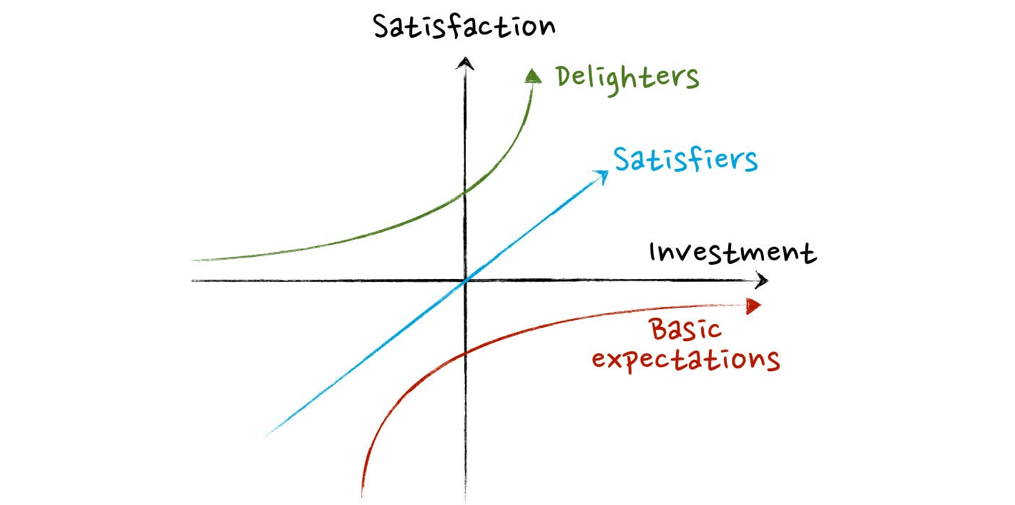
As a product manager, I'm always looking for ways to understand what customers really want. That's where the Kano Model comes in. Created by Professor Noriaki Kano, this framework helps categorize customer needs into three main groups: must-haves (basic expectations), performance features (the more, the better), and delighters (unexpected surprises that make users go "wow"). By applying this model, I can make smarter decisions about what to build and when.
When working on a new product, the first thing I do is make sure the must-haves are covered. These are the features customers expect, like a functional login system or a reliable checkout process. If you miss these, your users won't just be disappointed—they'll leave. Once that foundation is solid, I focus on performance features that directly impact user satisfaction, like faster load times or better search functionality.
But what really sets great products apart are the delighters. These are the unexpected touches that create excitement, like a beautifully designed interface or a small but thoughtful automation that makes life easier. Delighters don't just satisfy customers; they make them loyal fans. I always make room for a few of these in my roadmap to keep users engaged and talking about the product.
Using the Kano Model also helps me prioritize my roadmap. I start with the basics, then build out performance features, and finally sprinkle in delighters when resources allow. It keeps me focused on what truly matters rather than chasing every new idea that comes along. This structured approach prevents wasted effort and ensures that every new feature delivers real value.
If you're a product manager looking to improve your process, I highly recommend giving the Kano Model a try. It's helped me create products that not only meet expectations but exceed them. And at the end of the day, that's what keeps users coming back for more.
all posts